




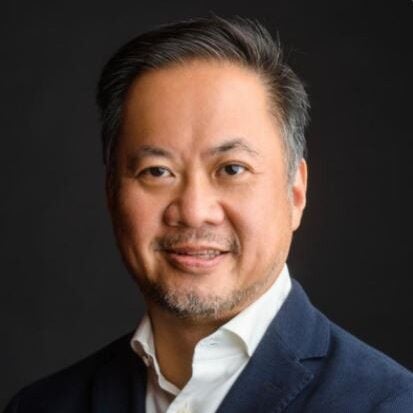
Prof Edward Tay
Head of CET & Executive Education, Asian Institute of Digital Finance
FinTech Training
Empower yourself with this public good no-cost online program thoughtfully curated by the Asian Institute of Digital Finance (AIDF) in collaboration with Data.org under their Capacity Accelerator Network (CAN). Designed to unlock the power of financial literacy for social good, the course offers practical insights into Ethical AI, Financial Inclusion, and Data Privacy.
Participants will explore global frameworks and understand how AI and data can drive financial inclusion and safeguard privacy across sectors. Whether you're a student, policymaker, or entrepreneur, this program equips you to lead with impact in the age of AI and data. Enriched with real-world case studies and emerging trends, this program empowers learners to design and deploy responsible, inclusive, and future-ready solutions.
This program is designed to benefit a diverse range of participants from various disciplines interested in exploring ethical AI, data privacy, and financial inclusion. It's ideal for:
Aspiring and early-career data professionals
Students and recent graduates
Small business owners and entrepreneurs
Professionals from government, NGOs, academia, and the financial sector
of adults worldwide are financially literate.
Source: S&P Global FinLit Survey
Global financial literacy training market by 2028
Source: IMARC Group
Holistic Learning Path: Embark on a transformative journey by completing all three interconnected series—Ethical AI, Financial Inclusion, and Data Privacy. Gain a well-rounded, comprehensive understanding of how these fields shape global industries and societies.
Free Course with a Focus on Social Impact
This course is designed to empower you to drive positive social impact. Offered entirely free of charge, it equips you with the knowledge and skills to create a meaningful difference in your community, organization, or career, while fostering ethical and inclusive practices in AI and data privacy.
Ethical AI Mastery
Dive deep into the foundational concepts of Ethical AI and explore its application across sectors like banking, small businesses, and government organizations. Learn how AI can be both a tool for innovation and a driver of social good, supported by leading frameworks such as FEAT, Veritas Toolkit, ISO/IEC42001, and the EU AI Act.
Transformative Financial Inclusion
Understand the global importance of financial inclusion and how it can change the lives of individuals and communities. From government policies to fintech solutions for SMEs, you’ll explore the challenges and opportunities in creating inclusive financial systems. Gain insights into the technologies and strategies driving access to financial services across the globe.
Comprehensive Understanding of Data Privacy concepts
Learn how to protect sensitive information in financial institutions, government organizations, and SMEs. From foundational principles to cutting-edge Privacy-Enhancing Technologies (PETs), you’ll gain the knowledge to help organizations meet evolving privacy challenges and regulations.
Certification
Complete all three series to earn a certificate. This certificate will showcase your commitment to ethical practices, financial inclusion, and data protection, positioning you as a leader in these areas.
Breaking Barriers to Knowledge — Worth $1,900
Head of CET & Executive Education, Asian Institute of Digital Finance
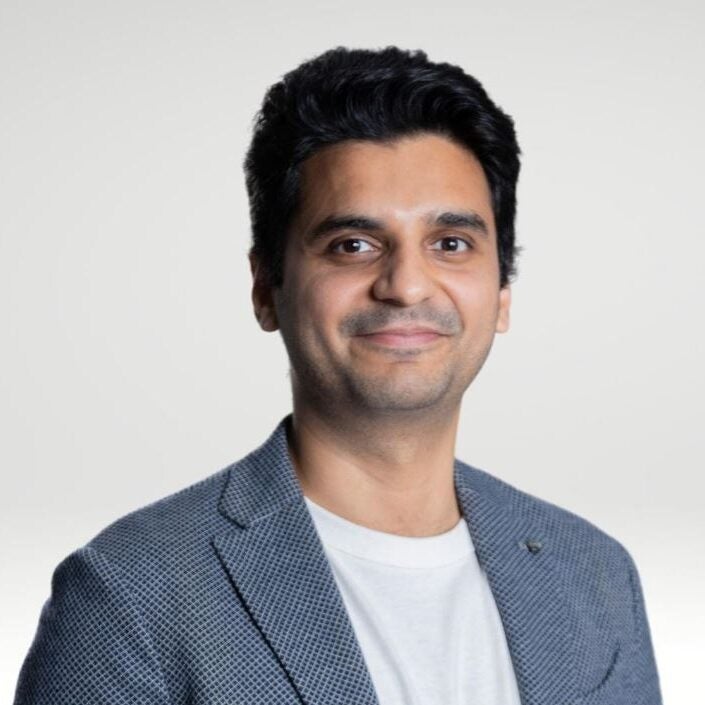
Adjunct Professor and Advisor, Asian Institute of Digital Finance & Senior Advisor, Boston Consulting Group
Co-founder & CEO of Betterdata

VP Channels (APAC, Middle East, Africa) at Trend Micro

Director - Enterprise, Blockstream

Advisor, Singapore Standards Council (UN SDG Working Group), Advisor - Keenai Global & Co-founder – GreenArc Capital

Specialist Lead in AI at Monetary Authority of Singapore (MAS)
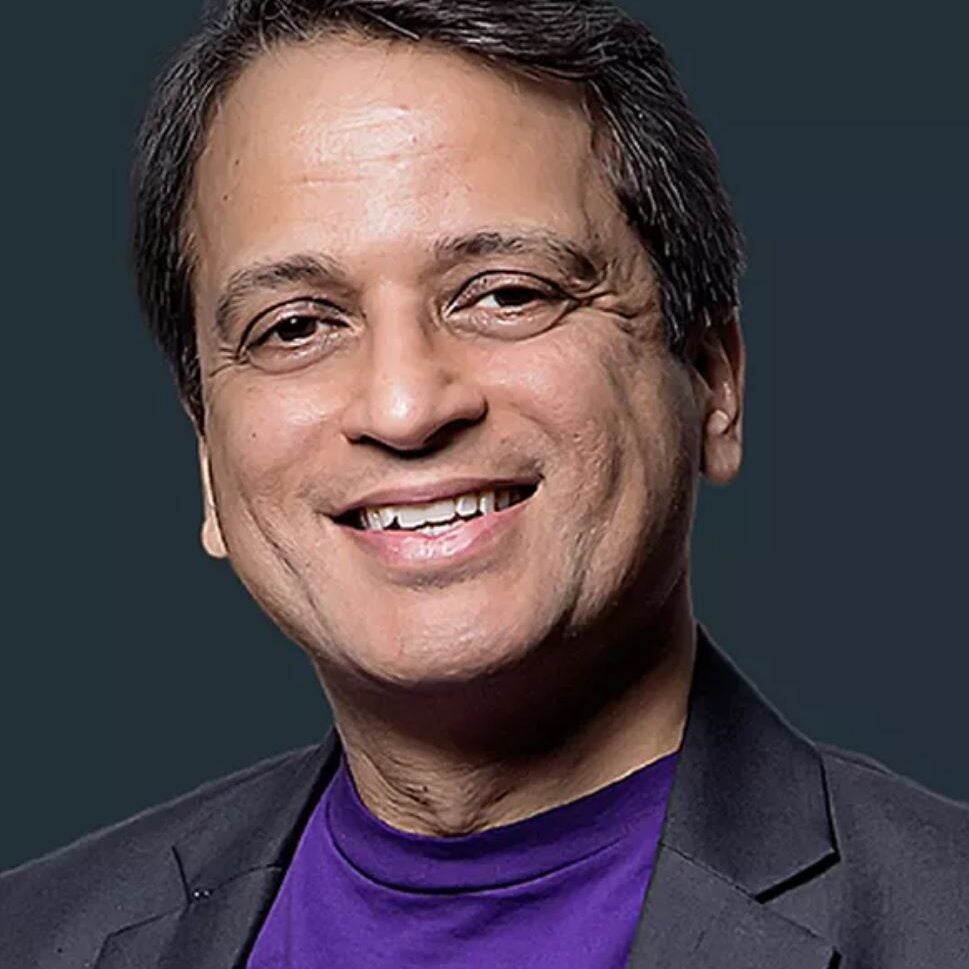
Chief Business Officer, Southeast Asia, Pine Labs
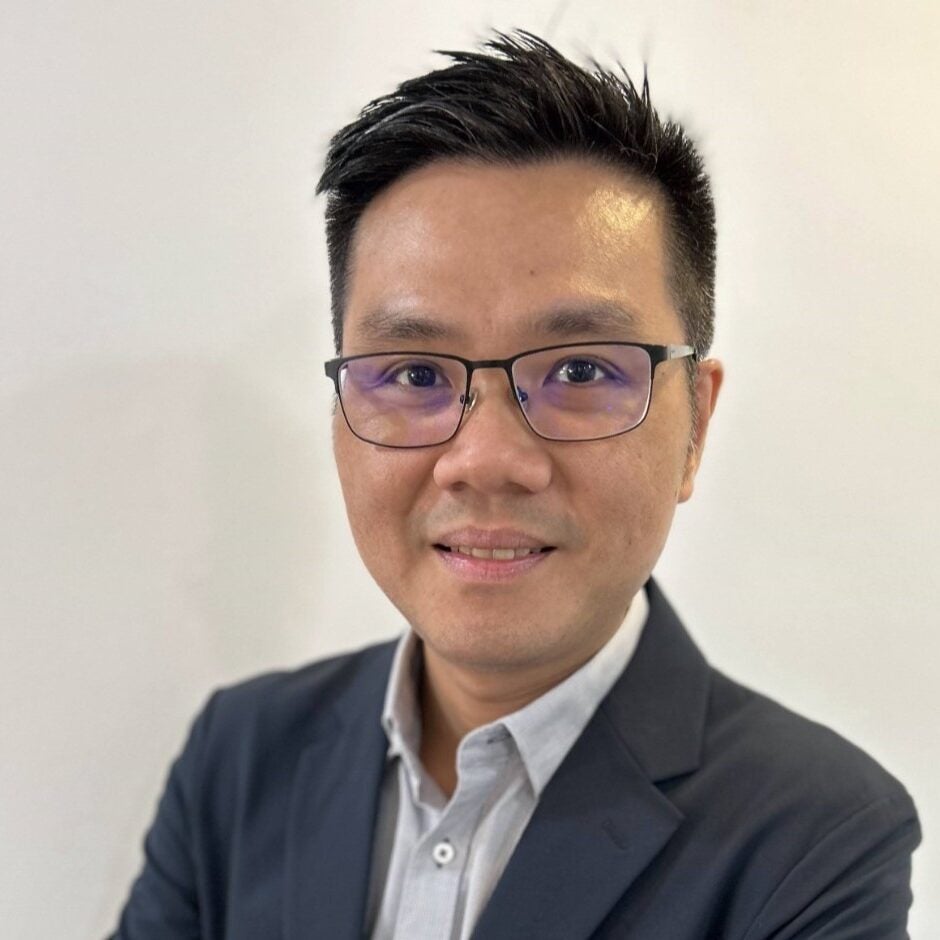
President, RIMAS

Director at First-Mag Business Management Private Limited

Principal Privacy Consultant at Learn Collab Pte Ltd

Strategic Alliance Partner at AMPliefi

B.Com Student, Government Autonomous College, Rourkela
In today's Digital financial ecosystem, I believe people should follow responsible practices like spending spending within their means, borrowing carefully and protecting their financial data.

Business Partner, Rental Car Financing
Seeing how rapidly financial technologies and digital tools have evolved over the years made me realise that knowledge in this field can quickly become outdated.
It has shaped my mindset to be more proactive in upgrading my skills and adapting to change, ensuring that my decisions remain relevant and responsible in an evolving digital landscape.
From a professional standpoint, how has completing the Financial Literacy Program enhanced your understanding of financial literacy, responsible data practices, or ethical technology?
Ferene: It also deepened my awareness that Ethical AI is not only a concern for large multinational corporations. Small and medium enterprises (SMEs) must also adopt ethical practices as they increasingly leverage AI for credit assessment, customer analytics, and operational decisions. Ethical responsibility should increase as organisations expand their use of AI and digital technologies.
Have you been able to apply any concepts or frameworks from the program in your current role? If so, could you share specific examples?
Ferene: The program does not directly apply to my current role, but it has strengthened my financial foundation for future initiatives. I plan to apply these insights when supporting a business partner who intends to set up a finance company for car rental, with a focus on financial inclusion.
In what ways has the program influenced your approach to decision-making, stakeholder engagement, or organisational responsibility?
Ferene: It has influenced my decision-making by encouraging greater diligence in data access, transparency in communication, and accountability when handling supplier or financial information. Moving forward, I will be more intentional in safeguarding data privacy and reinforcing ethical standards in supplier engagements and collaborative initiatives.
Was there a particular concept, framework, or discussion during the program that shifted your perspective? How has that insight shaped your professional practice?
Ferene: One discussion that significantly shifted my perspective was on Emerging Trends and Technologies. Seeing how rapidly financial technologies and digital tools have evolved over the years made me realise that knowledge in this field can quickly become outdated.
It has shaped my mindset to be more proactive in upgrading my skills and adapting to change, ensuring that my decisions remain relevant and responsible in an evolving digital landscape.
In today’s increasingly digital financial landscape, what do you believe are the key ethical and governance considerations organisations should prioritise?
Ferene: Explainability and transparency should be embedded into AI deployment, ensuring that decisions can be justified and audited. Importantly, human oversight must remain central. AI should support decision-making, not replace human judgment. Organisations must ensure that ultimate responsibility for high-impact financial decisions remains with accountable individuals, not algorithms.

Accountant
In my experience helping my family's FMCG wholesale business, I found that small businesses face difficulties in managing digital records, GST compliance, and digital payments.
Financial literacy programs help to enhance the knowledge of digital financial tools, compliance requirements, and proper record management. This helps the business to effectively manage finances.
As someone who supports your family’s FMCG wholesale business, particularly in areas such as accounting and GST, how has the FinTech Literacy Program strengthened your understanding of financial management or digital financial practices in a business setting?
Muskan: The FinTech Literacy Program has helped to further enhance my knowledge on the use of digital financial tools. Assisting my family with our FMCG wholesale business in terms of accounting and GST has given me practical experience in the management of finances. The program has helped to further enhance my knowledge on the use of fintech solutions in the management of finances.
Were there any concepts or discussions during the program that helped you better understand financial processes, compliance, or record keeping within a small or family run business?
Muskan: Modules like Data Privacy in Financial Institutions and Data Privacy in Small Businesses were useful in helping me grasp the significance of safe financial systems, record-keeping, and compliance. These concepts are relevant in that they highlight how businesses must ensure safekeeping of financial and customer information, as well as accurate documentation, which is part of my job in handling accounting and GST in our family-owned FMCG wholesale business.
From your experience supporting your family business, what are some of the financial or digital challenges that small businesses commonly face? How do you think financial literacy programs can help address these challenges?
Muskan: In my experience helping my family's FMCG wholesale business, I found that small businesses face difficulties in managing digital records, GST compliance, and digital payments.
Financial literacy programs help to enhance the knowledge of digital financial tools, compliance requirements, and proper record management. This helps the business to effectively manage finances.
In today’s increasingly digital financial ecosystem, businesses handle large amounts of financial data and transactions. What responsible practices do you believe small businesses should adopt when managing financial information or using digital financial tools?
Muskan: It is important for small businesses to have secure digital records and to protect sensitive financial and customer data. Small businesses should also use secure digital payment and accounting systems. Furthermore, small businesses should be compliant and update their practices. They should also have documentation. Small business responsible practices will ensure transparency and data protection in a digital financial environment.
As you continue your studies while supporting your family’s business, how do you see yourself applying the knowledge and principles from the program to improve financial management or support the future growth of the business?
Muskan: As I continue to pursue my studies while helping the family business thrive, I hope to be able to apply the knowledge gained to enhance the digital record keeping, data privacy, and the utilization of financial technology. This knowledge may be helpful in increasing financial transparency and improving compliance, hence efficient financial management to aid the growth of the business.
Feature Writer at tisande.com, Managing Partner at PT Tisande
The integration of FinTech into financial management, particularly through digital finance and data driven decision making has the potential to transform financial inclusion.
It is not just a tool for efficiency, but an accelerator for economic development, enabling more inclusive and accessible financial systems for individuals and businesses alike.
As a Managing Partner at Tisande, how do you see financial literacy and digital financial tools supporting entrepreneurs in building and sustaining their businesses?
Santi: Given the rapid pace of technological advancement today, being literate in FinTech is no longer optional, it is essential. Entrepreneurs must stay informed and adapt to digital financial tools to remain competitive and sustain their businesses in an increasingly digital economy.After completing the FinTech Literacy Program, were there any insights or concepts that influenced the way you think about financial management, digital finance, or data-driven decision-making within your entrepreneurial journey?
Santi: From my perspective, the integration of FinTech concepts into financial management, particularly in digital finance and data driven decision making, serves as a powerful solution for financial inclusion. It acts as an accelerator for economic development by enabling more efficient and inclusive financial systems.Many businesses today rely on digital platforms and data to operate and grow. From your perspective, what role does responsible data use and ethical technology adoption play in building trust with customers and partners?
Santi: At our company, we place strong emphasis on ensuring that our clients and partners feel secure and supported. Data is managed with professionalism, where privacy, security, and transparency are top priorities. Responsible data use and ethical technology adoption are essential in building and maintaining trust.In your experience, what are some of the key financial or digital literacy gaps that entrepreneurs, particularly women entrepreneurs, face, and how can programs like this help address those challenges?
Santi: In my experience, one of the key challenges lies in the rapid pace of technological development. Many entrepreneurs, especially from earlier generations, including women, find it difficult to keep up with these changes. The FinTech Literacy Program is well designed and aligned with current trends, making it accessible even for those with basic knowledge. This enables participants to follow the course effectively and gain meaningful benefits.Looking forward, how do you see yourself applying the knowledge and principles from this programme in your work at Tisande or in your broader entrepreneurial initiatives?
Santi: I am very pleased and optimistic that the knowledge gained from this program will be valuable in our entrepreneurial journey. Coincidentally, at the end of the course, Tisande was invited to participate in the 2026 Financial Inclusion Week (FIW), and we have submitted a proposal to become a regional partner. We look forward to applying these insights in our initiatives and contributing further to the financial inclusion ecosystem. Wish us luck!

Final Semester BBA Student & Freelance Content Writer
Financial inclusion is not just about access to digital tools, but about building trust and practical confidence in using them.
Even when individuals have the knowledge and resources, fear and uncertainty can prevent adoption.
True inclusion happens when people feel empowered to use financial technologies independently and securely.
From your perspective, after completing the FinTech Literacy Program, what key financial or digital capability gaps do you still observe within your community, particularly among women or aspiring female entrepreneurs? Why do you believe addressing these gaps is important for strengthening financial inclusion?
Meghana: After completing the program, I began to see financial inclusion beyond theory and more through real-life experiences within my own community, especially among women. One key gap I observed is not just access to digital tools, but the lack of trust and confidence in using them independently.For instance, despite having access to smartphones and digital payment applications, many individuals still hesitate due to fear of making mistakes or facing fraud. This made me realise that true financial inclusion is not just about availability, but about ensuring users feel confident, informed, and secure when using these tools.
As a student studying Finance and Marketing, and someone engaged in freelance writing, how has the knowledge gained from this programme influenced the way you think about financial inclusion, digital finance, or responsible technology in your academic and entrepreneurial journey?
Meghana: The program shifted my perspective from viewing financial inclusion purely as an academic concept to understanding it as a behavioural and human challenge.From a finance perspective, I realised that building financial systems is not enough — the real challenge lies in ensuring users trust and adopt them. From a marketing perspective, I learned that adoption is deeply influenced by emotions such as fear, confidence, and social influence. This has made me more aware of the importance of user education, communication, and trust-building in financial systems.
Was there a particular concept, framework, or discussion during the programme that significantly changed your perspective on financial literacy or digital finance? How has this insight shaped your approach to financial or data-driven decision-making?
Meghana: One concept that significantly changed my perspective was “data as collateral,” especially in the context of SME financing.It helped me understand that many small businesses are not financially excluded due to lack of income, but because they lack documented financial data. This shifted my thinking — digital transactions are not just payment tools, but a way to build financial identity and creditworthiness.
This insight has influenced both my academic work and freelance writing, encouraging me to focus on simplifying financial concepts and highlighting the value of data in enabling financial access.
In today’s increasingly digital financial ecosystem, what ethical responsibilities do individuals, especially young professionals and entrepreneurs, have when making financial decisions or handling financial data?
Meghana: I believe ethical responsibility comes down to awareness, caution, and accountability in everyday actions. A personal experience with digital payment fraud in my family made me realise how vulnerable users can be, even when they are somewhat aware.Since then, I have made a conscious effort to promote safe practices within my family, such as verifying transactions, safeguarding personal data, and avoiding impulsive decisions. This experience shaped my approach to financial decisions — not just focusing on efficiency, but prioritising trust, security, and responsibility.
As you continue your studies and explore opportunities in freelance writing or entrepreneurship, what key knowledge, principles, or values from the program do you see yourself carrying forward into your future career?
Meghana: One of the key values I carry forward is discipline — balancing the program with my studies taught me consistency and accountability.More importantly, the program made finance more real and practical for me. I now approach financial decisions with greater awareness, responsibility, and a focus on trust.
As I move forward, I hope to simplify financial concepts, communicate them responsibly, and make them more accessible for individuals who may otherwise hesitate to engage with financial systems.
Contact our team for more information about the FinTech Literacy Program.